
Precision Neurosurgery
Course Information
PMTO 213 Precision Neurosurgery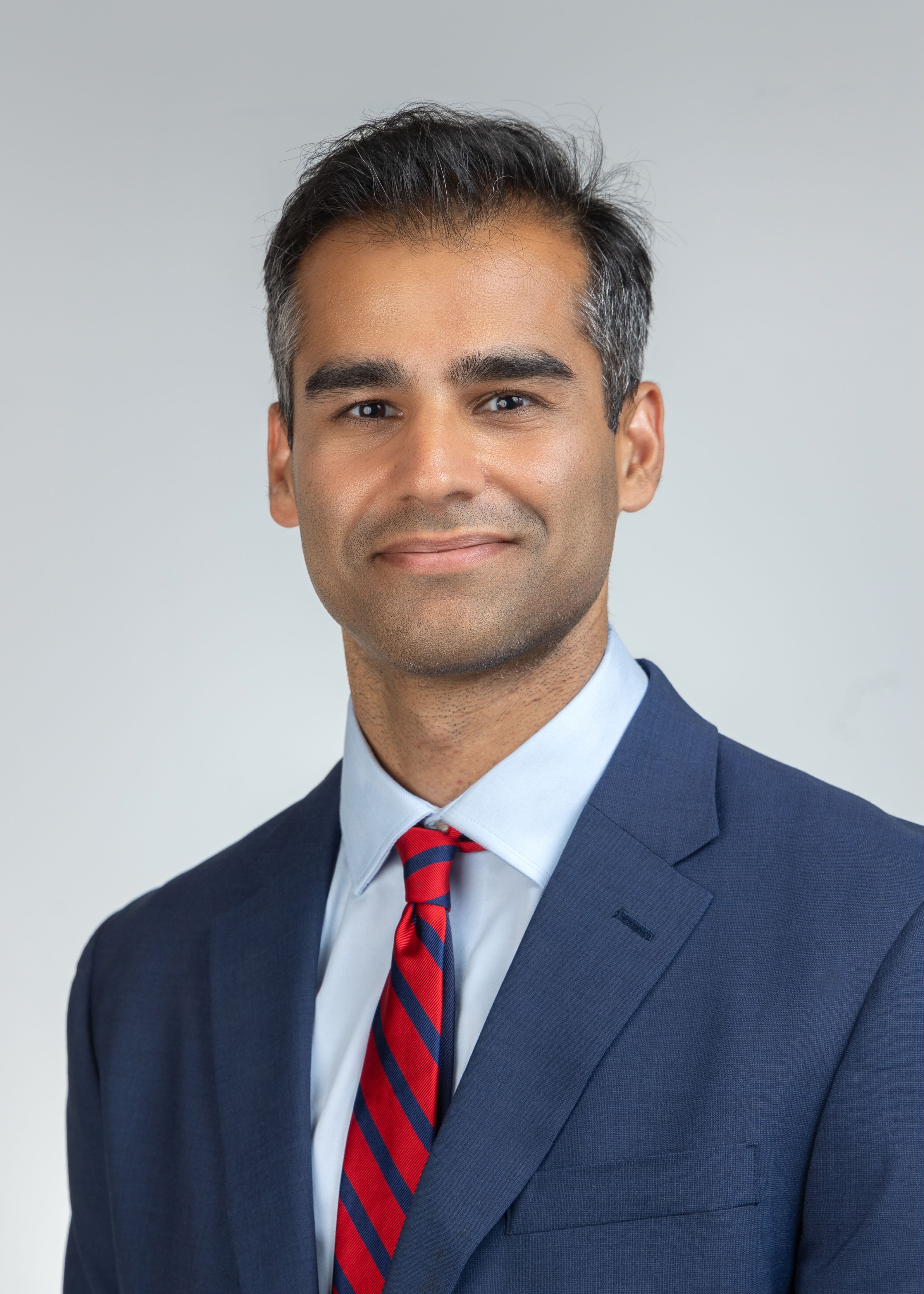
- 1 unit
- Quarter Offered: Spring
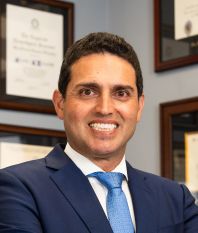
- Instructors: Alexander A. Khalessi, MD, MBA, Chief Innovation Officer, UC San Diego Health | Assistant Vice Chancellor for Health Sciences Innovation and AI, UC San Diego and Arjun Khanna, MD, Assistant Professor Of Clinical, Neurological Surgery, UC San Diego
Course Description & Learning Objectives
Neurosurgical approaches are rapidly evolving to enable personalized treatment across a range of neurological diseases. This course will provide a comprehensive overview of two complementary tenets of precision neurosurgery: developing individualized surgical approaches based on patient-specific anatomy, physiology, and molecular characteristics, and harnessing an expanding neurosurgical toolkit to deliver targeted therapies to the central nervous system. Applications will span neuro-oncology, epilepsy, movement disorders, and emerging treatments for other neurological conditions.
These topics will be explored through lectures, readings and discussions of key contemporary papers, and case-based discussions. Students will also engage with guest speakers from industry for real-world insights into the development and clinical translation of these technologies. Topics will range from connectomics, functional brain mapping, and surgical robotics to intraoperative molecular diagnostics, personalized neuromodulation, and gene and cell therapy delivery. Throughout the course, students will examine how neurosurgical technologies and advances in neuroscience can inform treatment selection, guide interventions, and preserve neurological function within a precision medicine framework.
Learning Outcomes & Skills Acquired from the Course
- Explain the complementary roles of individualized surgical planning and targeted therapeutic delivery in precision neurosurgery.
- Describe how advanced imaging and connectomics guide patient-specific neurosurgical approaches.
- Explain how functional mapping, electrophysiology, and molecular diagnostics provide actionable information for personalized treatment.
- Examine the role of neurosurgery in targeted neuromodulation and the delivery of gene and cell therapies to the central nervous system.
- Compare minimally invasive neurosurgical techniques and their applications across oncologic and non-oncologic conditions.
- Evaluate the potential applications, limitations, and ethical considerations of artificial intelligence and related computational technologies in neurosurgery.